Buying Guide
Original Art vs Prints
Why one of one matters — and what you’re actually buying.
The Difference in One Sentence
An original painting is the actual canvas the artist worked on — real paint, real texture, signed on the back. A print is a reproduction — a photo printed onto canvas or paper, sold in editions of hundreds.
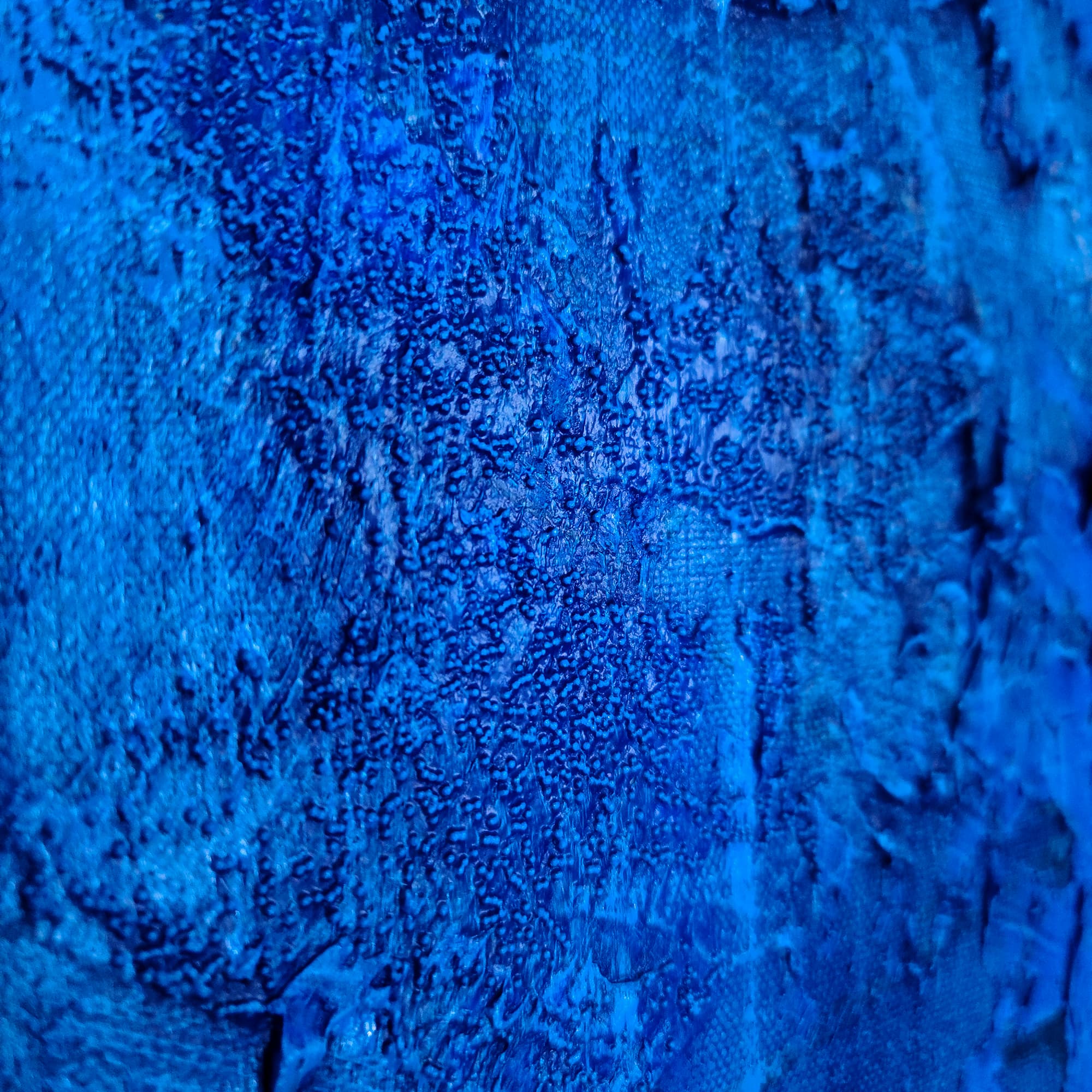
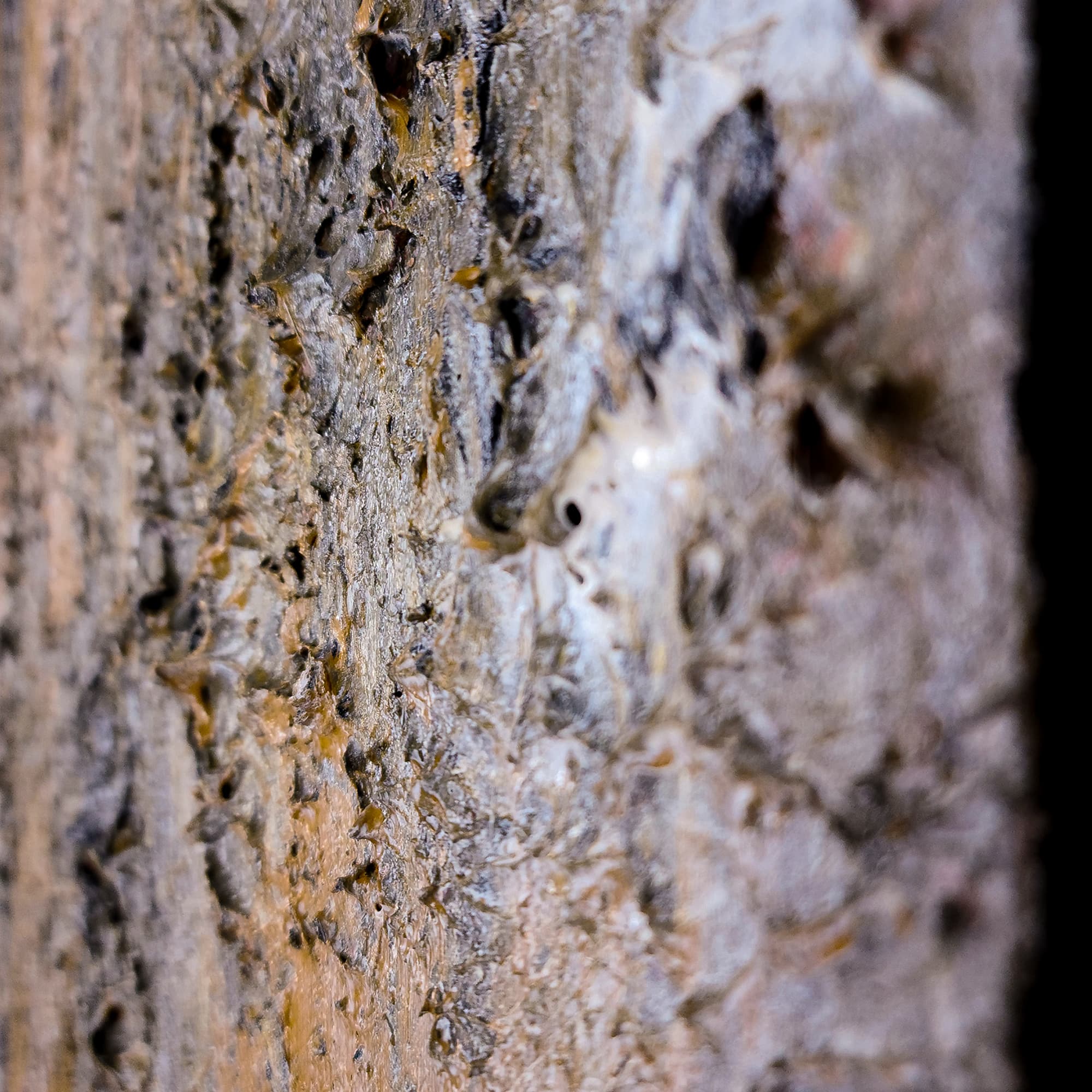
Texture: You Can’t Print Depth
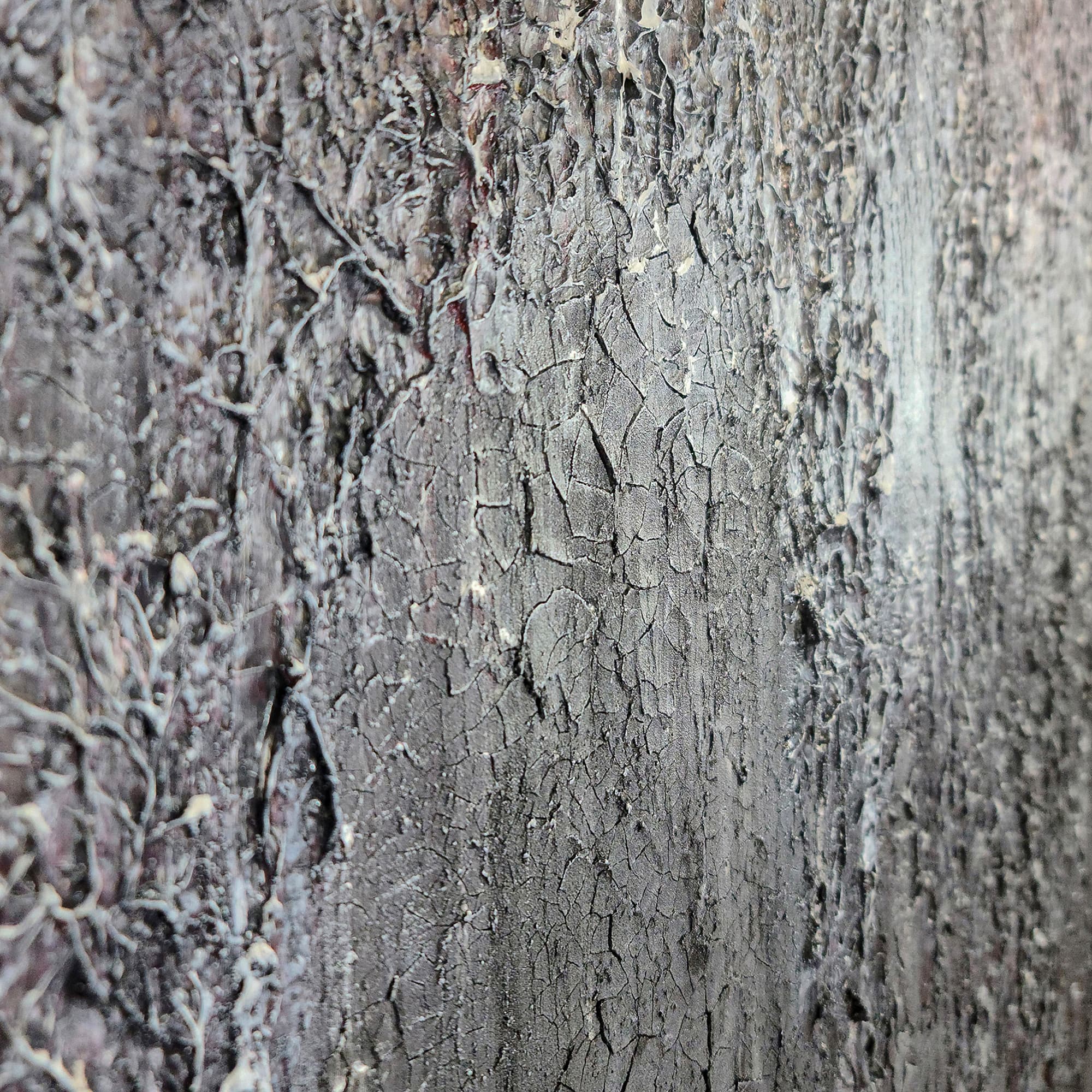
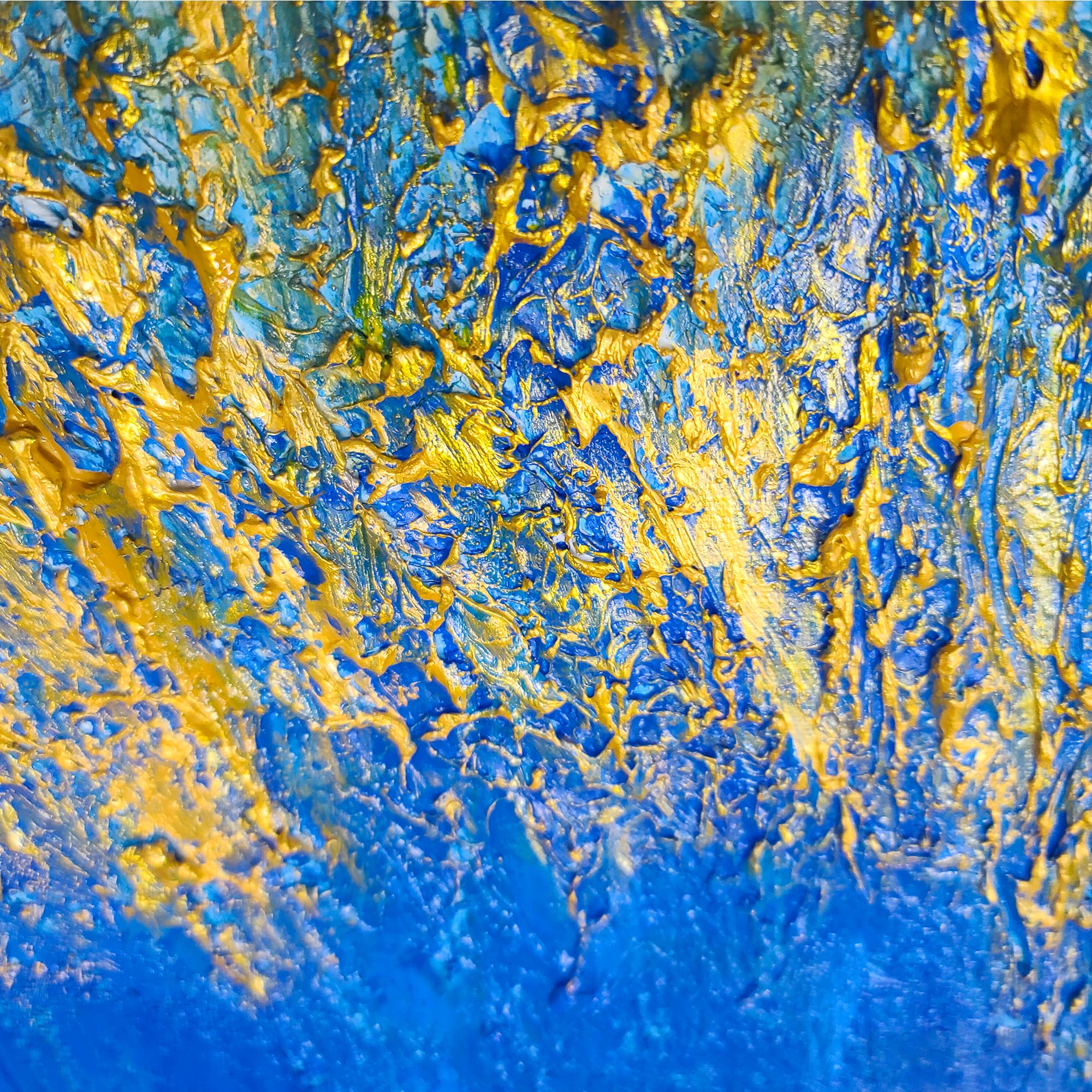
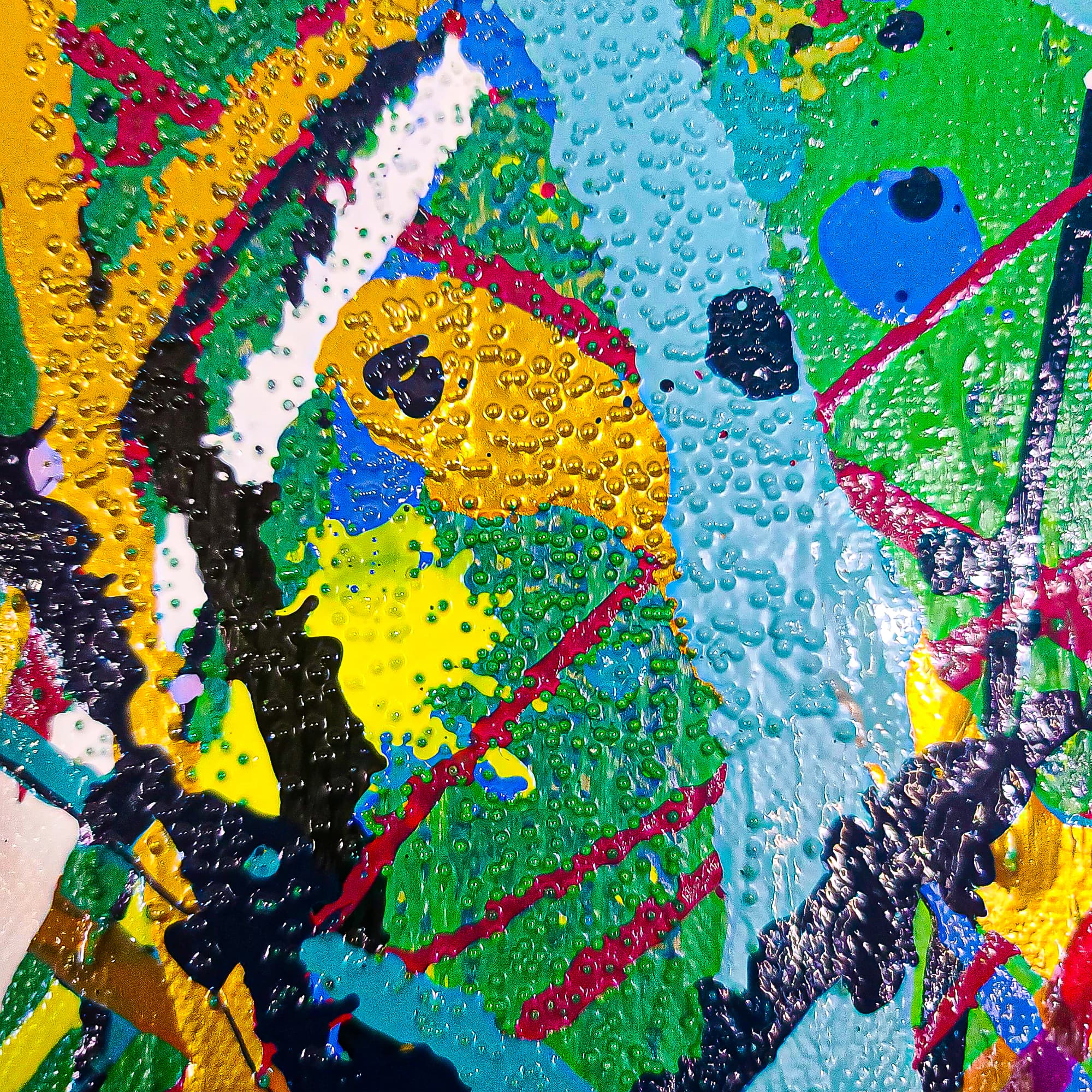
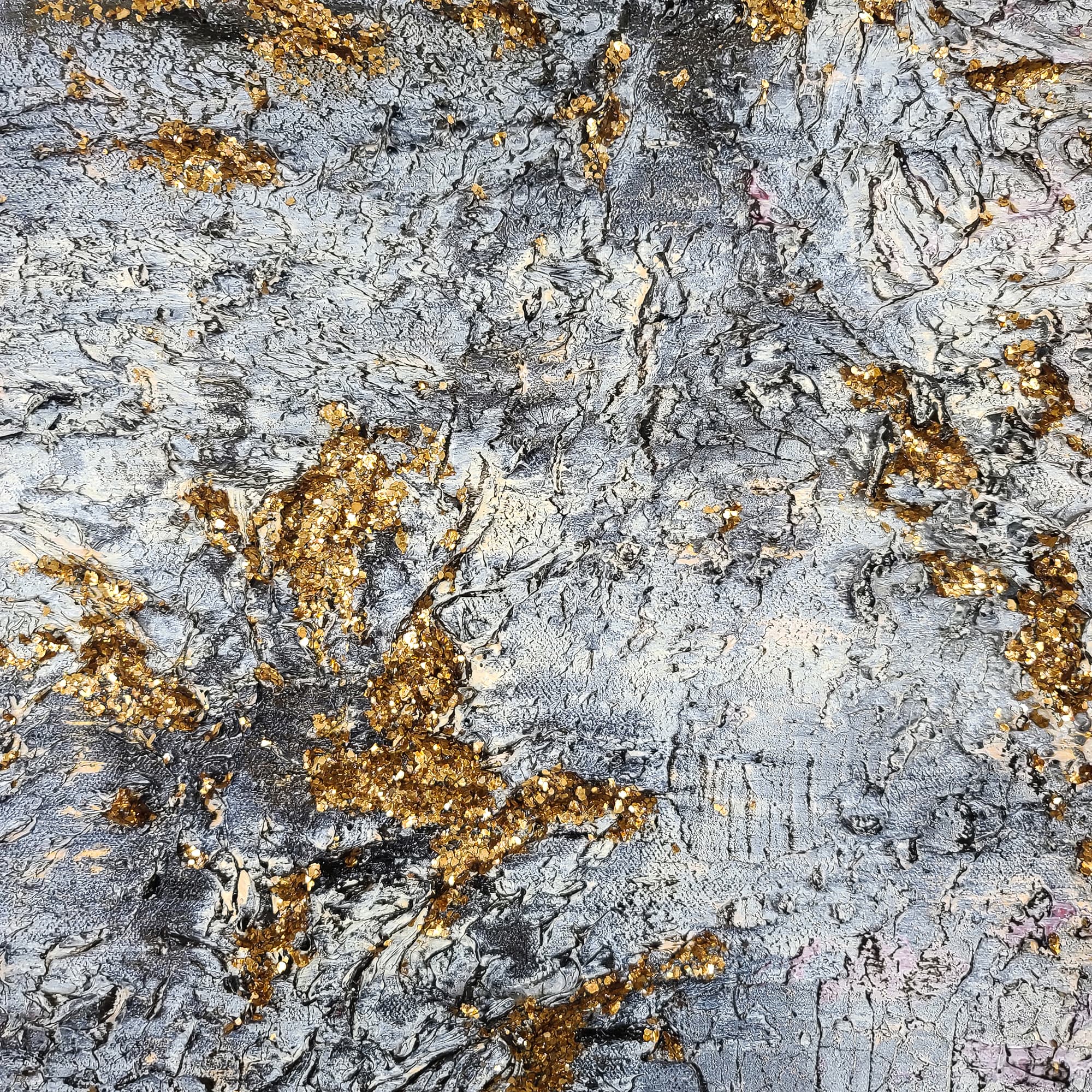
Lei-Kol’s paintings have heavy, sculptural texture — ridges of acrylic that catch light and cast shadow. A print is flat. Some add a “textured” coating, but it’s mechanical and uniform. It doesn’t correspond to actual paintwork.
Authenticity
Every Lei-Kol original comes with a signed certificate. The piece is the only one. Prints are produced in batches — 50, 100, 500 copies. The artist may have approved it, but a machine made it.
Value
Originals hold and often increase in value because supply is fixed at one. Prints are commodities — price is determined by production cost, not scarcity.
The Bottom Line
If you want the real thing — the canvas the artist touched, the paint she built, the surface that casts real shadow — you want an original.
See One-of-a-Kind Originals →Frequently Asked Questions
How can I tell if a painting is an original or a print?+
Look at the surface from an angle. An original has real paint ridges and texture that catch light. A print is flat. Originals are signed directly on the canvas — prints typically have a printed or stamped signature.
Why do originals cost more than prints?+
An original is the only one in the world — hours of the artist’s time, real materials, one canvas. Prints are mass-produced. You’re paying for scarcity, effort, and authenticity.
Is a limited edition print the same as an original?+
No — limited editions are still reproductions. An edition of 50 means 50 identical copies. An original means the only copy. The value proposition is fundamentally different.